In many African communities, the girl child still walks a path shadowed by inequality. While strides have been made in improving access to education, millions of girls across the continent remain at risk of being left behind. The intersection of poverty, harmful cultural practices, poor menstrual health management, early marriage, and gender-based violence continues to limit the potential of girls who, given the opportunity, could become the continent’s greatest asset.
Why Education Matters for the African Girl
Education does more than just teach literacy and numeracy. For a girl in Africa, it is a life-changing tool — a catalyst for personal empowerment, economic independence, and generational impact. Studies show that educated girls are more likely to delay marriage, have fewer and healthier children, earn higher incomes, and contribute meaningfully to their communities and countries. Yet, UNESCO reports that more than 33 million girls of primary school age are out of school in sub-Saharan Africa.
The question is not whether girls want to learn — they do. The real question is: what structural and societal barriers stand in their way?
The Real Barriers
- Poverty
Families often choose to invest in boys’ education, seeing girls as temporary members of the household who will eventually marry out. Uniforms, books, and school fees can be unaffordable, especially when families must choose. - Early Marriage and Teenage Pregnancy
According to UNICEF, over 30% of girls in sub-Saharan Africa are married before the age of 18. Once married or pregnant, many girls are forced to leave school permanently. - Menstrual Health
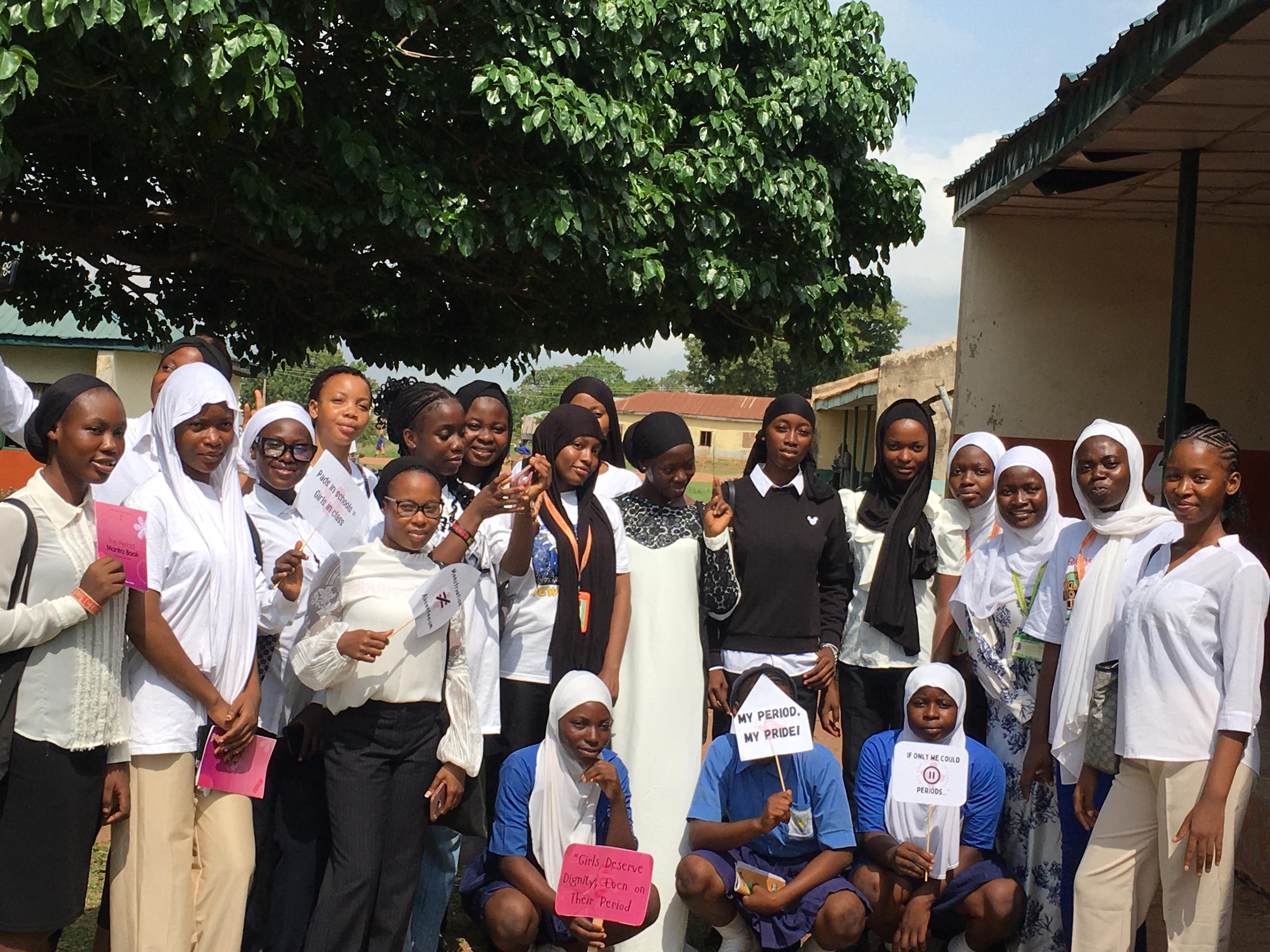
Menstruation remains a silent reason many adolescent girls miss school. Without access to sanitary pads, private toilets, or clean water, girls are forced to stay home during their periods. A girl missing school 4–5 days a month could fall behind significantly. - Violence in and around Schools
Sexual harassment, abuse, and lack of protection in learning environments make school unsafe for many girls. For some, the journey to school is also unsafe — risking assault or harassment. - Sociocultural Norms
In many communities, girls are expected to assume domestic responsibilities, care for siblings, or help with farming and trading — tasks that reduce their chances of staying in school.
Closing the Gap: What We Must Do
- Invest in Community-Led Programs
Programs designed and led by local organizations — especially women- and youth-led — are more likely to understand the nuanced challenges girls face and design sustainable solutions. At Girls and Goals Initiative, for example, our work integrates menstrual health education, SRHR advocacy, and skills training into school outreach programs. - Support Menstrual Health and Hygiene
Through projects like Project Pad Bank, we’re setting up pad banks, teaching girls how to make reusable pads, and establishing SRHR clubs in schools to ensure no girl misses school because of her period. - Promote Gender-Responsive Education Policies
Governments and institutions must enforce policies that make education accessible and safe for girls — including reintegration pathways for young mothers, stronger anti-harassment policies, and accountability mechanisms. - Engage Boys and Men
Gender equality isn’t just a “girls issue.” We must also redefine masculinity and raise a generation of boys who respect and advocate for girls’ rights. Through our Masculinity Project, we’re shifting mindsets and starting critical conversations with boys across Nigeria. - Provide Scholarships and Support Services
Targeted scholarships, mentorship programs, psychosocial support, and safe transportation can go a long way in helping girls stay in school and succeed.
Hope for the Future
The bridge between the African girl and her education is built not just with policy and funding but with intentionality, compassion, and persistence. It is built by every teacher who uplifts a girl’s voice, every parent who values her dreams, and every organization that creates opportunities for her to thrive.
At Girls and Goals Initiative, we envision an Africa where every girl is empowered to learn, lead, and rise — period.
Together, let’s bridge that gap!